


Lam Dong is one of the localities in Vietnam endowed with particularly favorable natural conditions for agricultural development, especially in building high-quality, concentrated crop-growing areas. The harmonious combination of a mild climate, fertile soils, and diverse topography has created outstanding advantages, making Lam Dong a leading center of high-tech agriculture nationwide.
Mild and Stable Climate Year-Round
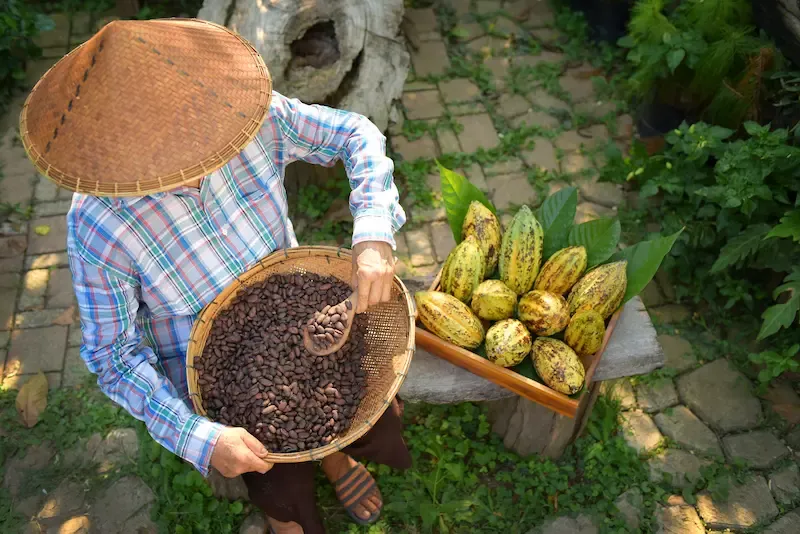
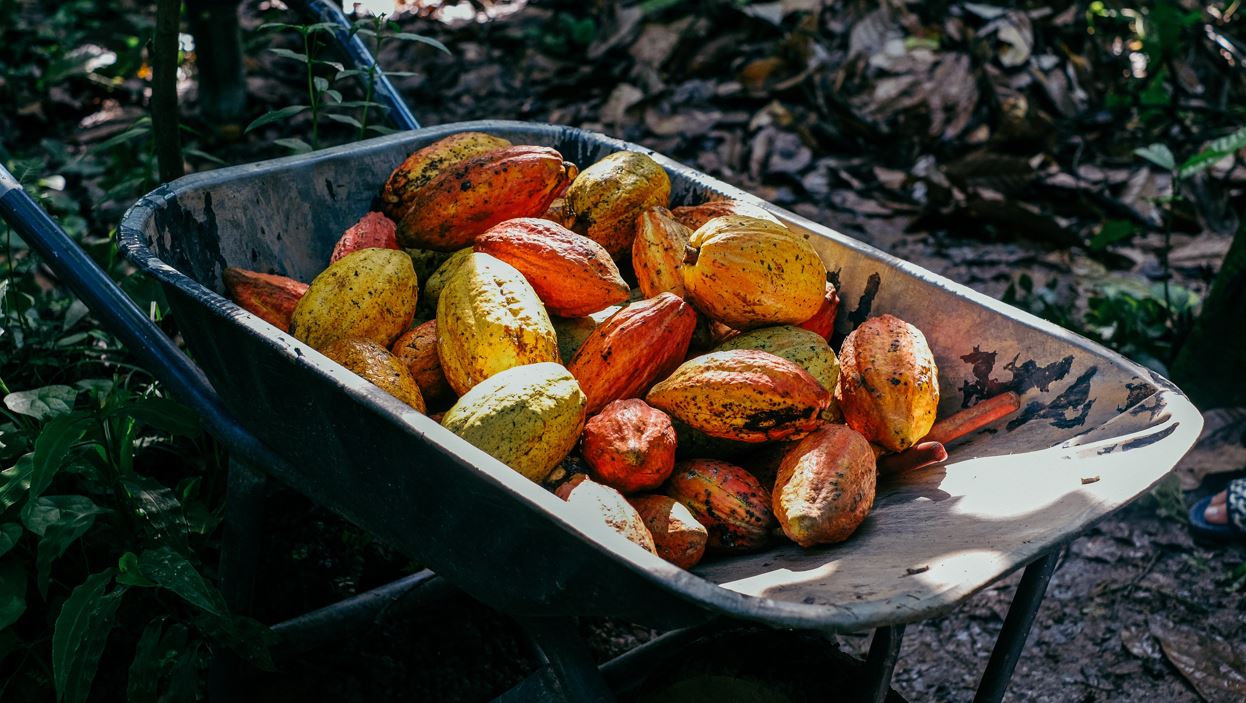
Located in the Southern Central Highlands, Lam Dong has an average elevation ranging from 800 to 1,600 meters above sea level. Thanks to this altitude, the province enjoys a mild and temperate climate throughout the year, with average temperatures ranging from approximately 18 to 25°C. The relatively small temperature difference between day and night is highly suitable for the growth and development of many high-value crops such as Arabica coffee, tea, cacao, vegetables, flowers, and medicinal plants.
Annual rainfall in Lam Dong is abundant and relatively well distributed by season, providing sufficient natural water sources during crop growth periods. Long sunshine hours and stable light intensity support photosynthesis, contributing to improved productivity and enhanced product quality.
Fertile Basalt Soils Rich in Nutrients
One of Lam Dong’s most prominent advantages is its large area of basalt soils formed from ancient volcanic activity. This soil type features deep cultivation layers, a loose and well-aerated structure, and excellent water and nutrient retention capacity, making it highly suitable for long-term cultivation and the development of concentrated crop-growing areas.
Basalt soils in Lam Dong are rich in minerals, particularly potassium, calcium, and magnesium—key elements that influence flavor, color, and overall product quality. This forms the foundation for the distinctive characteristics of Lam Dong’s agricultural products, such as coffee, tea, and cacao, which are highly regarded in both domestic and international markets.
Diverse Topography Favorable for Crop Zoning
Lam Dong’s terrain is primarily composed of highlands and hills interspersed with valleys, creating favorable conditions for zoning crops based on elevation and ecological characteristics. Each sub-region can select the most suitable crops, optimizing land-use efficiency and minimizing production risks.
This diversity has contributed to the formation of specialized production areas, such as high-tech vegetable and flower zones in Da Lat, high-quality coffee regions in Di Linh and Bao Loc, and traditional tea-growing areas combined with modern cultivation technologies.
A Foundation for Sustainable Agricultural Development
With its inherent climatic and soil advantages, Lam Dong has strong potential to develop agriculture in a sustainable, organic, and high-tech direction. The establishment of crop-growing areas meeting VietGAP, GlobalGAP, and organic standards, along with the implementation of planting area codes for export, is increasingly being promoted.
These natural advantages not only help reduce input costs but also enable improvements in product quality, added value, and competitiveness of Lam Dong’s agricultural products in the market.
Conclusion
The mild climate, fertile basalt soils, and diverse topography are the key factors that create Lam Dong’s outstanding advantages in crop-growing area development. These conditions provide a solid foundation for the province to continue expanding high-quality, concentrated production areas, linked with deep processing and sustainable agricultural development in the future.

Leave a Reply
You must be logged in to post a comment.