


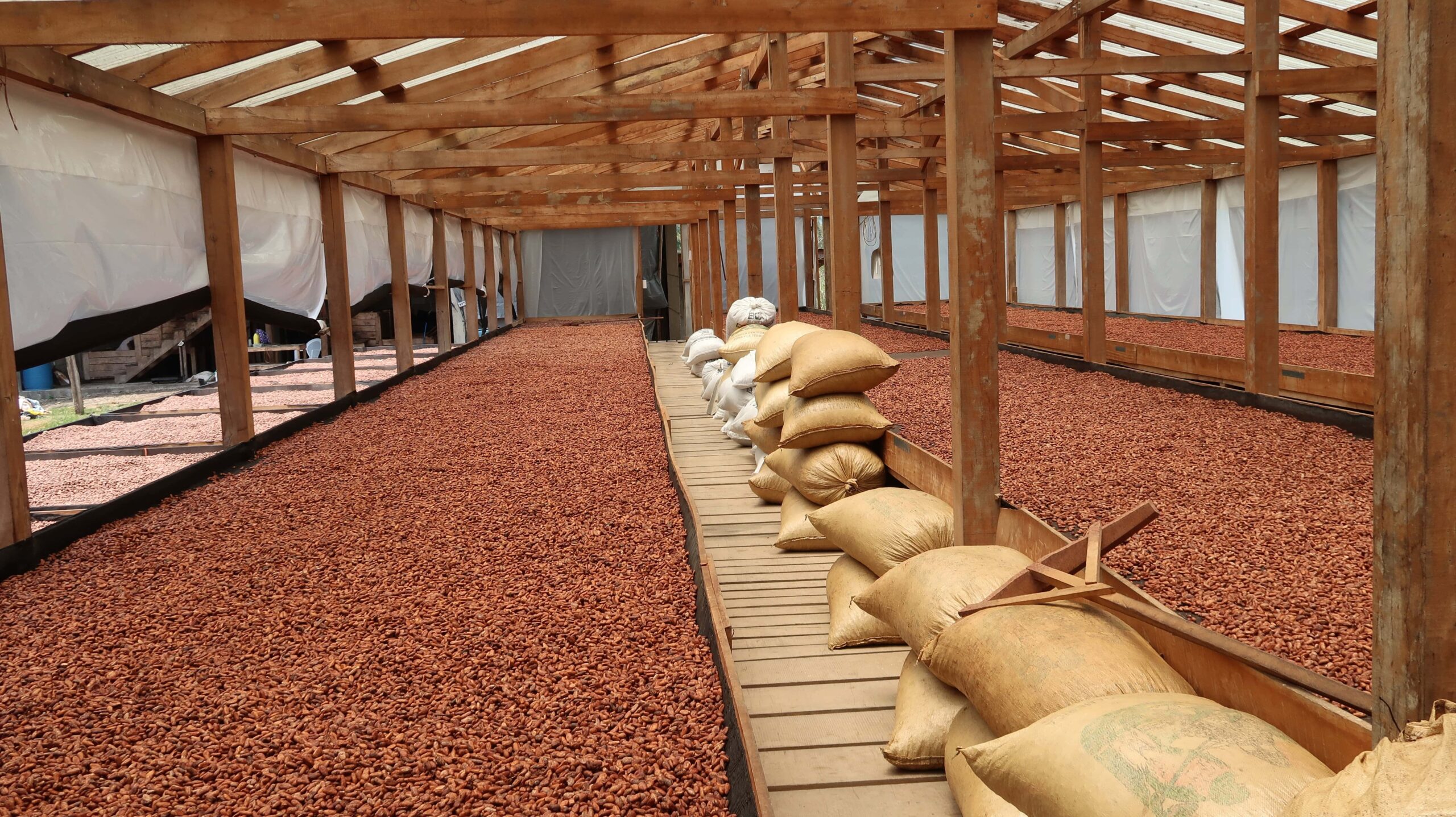
Dried cacao beans are an essential ingredient in producing chocolate, cocoa powder, and many premium food and beverage products. To maintain their quality, distinctive aroma, and extend shelf life, proper storage is key.
1. Why Proper Storage Matters
After fermentation and sun-drying, cacao beans usually reach a moisture content of around 6–8%. Without proper storage, they can easily:
-
Develop mold due to moisture absorption from the air.
-
Become infested with insects or pests.
-
Lose their natural aroma and rich flavor.
-
Deteriorate in quality during processing.
2. Key Storage Conditions
-
Humidity: Keep relative humidity below 65% to prevent mold growth.
-
Temperature: Ideally between 18–25°C (64–77°F); avoid excessive heat which can affect cacao butter.
-
Light: Store in a cool place away from direct sunlight.
-
Environment: Clean, dry, and away from strong odors or chemicals.
3. Effective Storage Methods
-
Sealed Packaging:
-
Use jute sacks lined with plastic bags, or thick PE bags.
-
Vacuum sealing is recommended to minimize oxygen and insect exposure.
-
-
Standard Storage Facility:
-
Keep on raised pallets at least 15 cm (6 inches) above the floor.
-
Ensure floors are dry and resistant to moisture.
-
Use insect traps and clean storage regularly.
-
-
Regular Inspection:
-
Inspect every 2–4 weeks for signs of mold or pests.
-
Rotate or move bags periodically to avoid moisture buildup at the bottom.
-
-
Long-Term Storage:
-
For large quantities, store in sealed containers or dedicated cold storage.
-
4. Shelf Life
When stored correctly, dried cacao beans can retain their quality for 6 months to 1 year without losing aroma or nutritional value.


Leave a Reply
You must be logged in to post a comment.